Imagine you’re driving along a quiet street, feeling confident, when suddenly you notice your brakes feel… off.
You press down, but the response is weirdly smooth and slippery, almost like the brakes aren’t doing their job.
That’s when someone might say your brakes are “glazed.” At first, it might sound like car slang or even some new texting term—but it’s all about your brake pads and discs.
Quick Answer: When brakes are glazed, it means the brake pads or rotors have overheated, causing a smooth, hardened surface that reduces braking efficiency. It’s a serious safety concern if not addressed promptly.
What Does “Brakes Are Glazed” Mean? 🛑
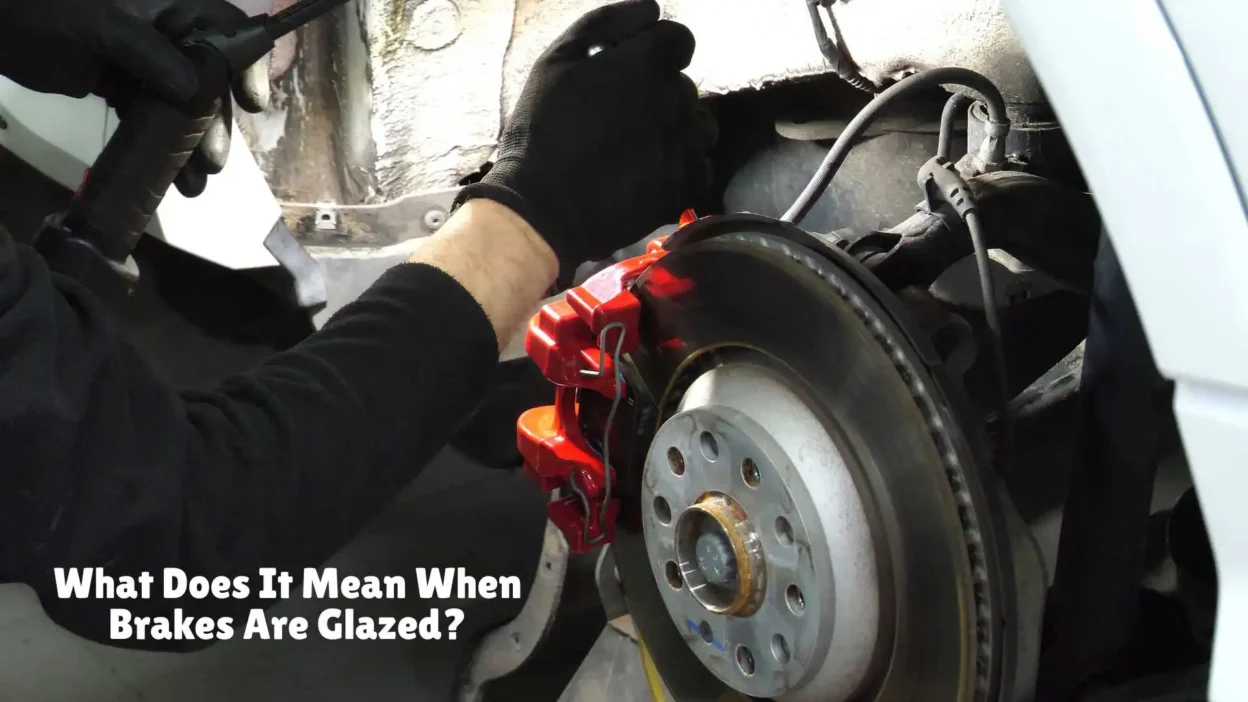
When your brakes are glazed, it doesn’t mean they’re coated in sugar or frosting! In automotive terms, glazing occurs when brake pads or rotors get too hot, usually from excessive friction or riding the brakes. This heat changes the surface texture, making it shiny, smooth, and less grippy. As a result, your brakes may feel spongy or unresponsive, which can be dangerous while driving.
In short: Brakes Are Glazed = Overheated Brake Pads/Rotors = Reduced Braking Efficiency
Where Are Glazed Brakes Commonly Noticed? 📍
You won’t see “glazed brakes” trending on TikTok—but drivers everywhere encounter it. Here’s where it’s most relevant:
- 🚘 Everyday Driving: Especially in stop-and-go traffic or mountainous areas
- 🏎️ Performance Driving / Racing: High-speed braking can quickly overheat pads
- 🚚 Heavy Vehicles: Trucks and buses are prone due to weight and momentum
- ⚙️ Car Maintenance Checkups: Mechanics will notice glazed pads during inspections
Tone & Use: This term is strictly technical and automotive, not casual slang. Use it when describing brake issues to mechanics, driving instructors, or fellow drivers.
Examples of “Brakes Are Glazed” in Conversation 💬
Here are realistic ways people might talk about glazed brakes:
- A: “My car feels weird when I stop.”
B: “Sounds like your brakes are glazed 😬” - A: “Why does it take so long to slow down?”
B: “Probably glazed pads. Better get them checked.” - A: “I rode the brakes too much on the hill…”
B: “Yeah, that can glaze them. Be careful!” - A: “Can I still drive with this?”
B: “Not really, glazed brakes reduce stopping power 🚨” - A: “I hear a squeaky sound when braking.”
B: “Could be glazing. Might need new pads soon.”
When to Use and When Not to Use “Brakes Are Glazed” ✅❌
✅ When to Use
- Describing reduced braking efficiency
- Talking to a mechanic or car expert
- Warning a friend about driving safety
- During car maintenance discussions
❌ When Not to Use
- Casual texting unrelated to cars
- Formal reports unrelated to vehicles
- In urgent emergency instructions (use plain, direct language)
| Context | Example Phrase | Why It Works |
|---|---|---|
| Friend Chat | “Be careful, your brakes might be glazed 😬” | Casual & friendly |
| Mechanic | “I think the front pads are glazed” | Technical & clear |
| Safety Notice | “Overheated brakes reduce stopping power” | Professional & informative |
| Car Blog | “Glazed brakes can cause serious issues if ignored” | Educational & helpful |
Similar Terms or Alternatives 🔄
| Term | Meaning | When to Use |
|---|---|---|
| Brake Fade | Temporary loss of braking due to heat | High-speed or downhill driving |
| Worn Brake Pads | Pads are too thin to stop effectively | Routine car maintenance |
| Contaminated Pads | Oil or grease on pads reduces friction | Post-repair or accidental spills |
| Overheated Rotors | Rotors are too hot and can warp | Heavy braking situations |
FAQs About “Brakes Are Glazed” ❓
Q1: How do I know if my brakes are glazed?
A1: Look for a shiny, smooth surface on pads or rotors, and notice if braking feels spongy or less responsive.
Q2: Can glazed brakes be fixed?
A2: Yes, often by sanding down pads or replacing them, depending on severity.
Q3: Is it dangerous to drive with glazed brakes?
A3: Absolutely. Reduced friction can make stopping difficult and increase accident risk.
Q4: How can I prevent brake glazing?
A4: Avoid riding the brakes, don’t brake too aggressively downhill, and use high-quality pads.
Q5: Are all cars at risk of glazed brakes?
A5: Any car can experience it, but high-performance or heavy vehicles are more susceptible.
Conclusion 🏁
Glazed brakes are more than just a shiny surface—they’re a warning sign that your vehicle’s braking system isn’t performing safely. Recognizing the symptoms early, understanding why it happens, and knowing how to prevent or fix it can keep you and others safe on the road. Always consult a professional mechanic if you suspect glazing, and avoid aggressive braking whenever possible. Stay safe and keep your brakes in top shape!