Ever been scrolling through a comment section or reading a message and suddenly you hit a word like “atonement” — and your brain just pauses?
That was me the first time I saw someone say, “I need some atonement for what I did 😭.” I had to stop and wonder… Is this slang?
A deep word? A feeling? All of the above?
If you’ve ever felt the same confusion, don’t worry — you’re about to get the clearest explanation.
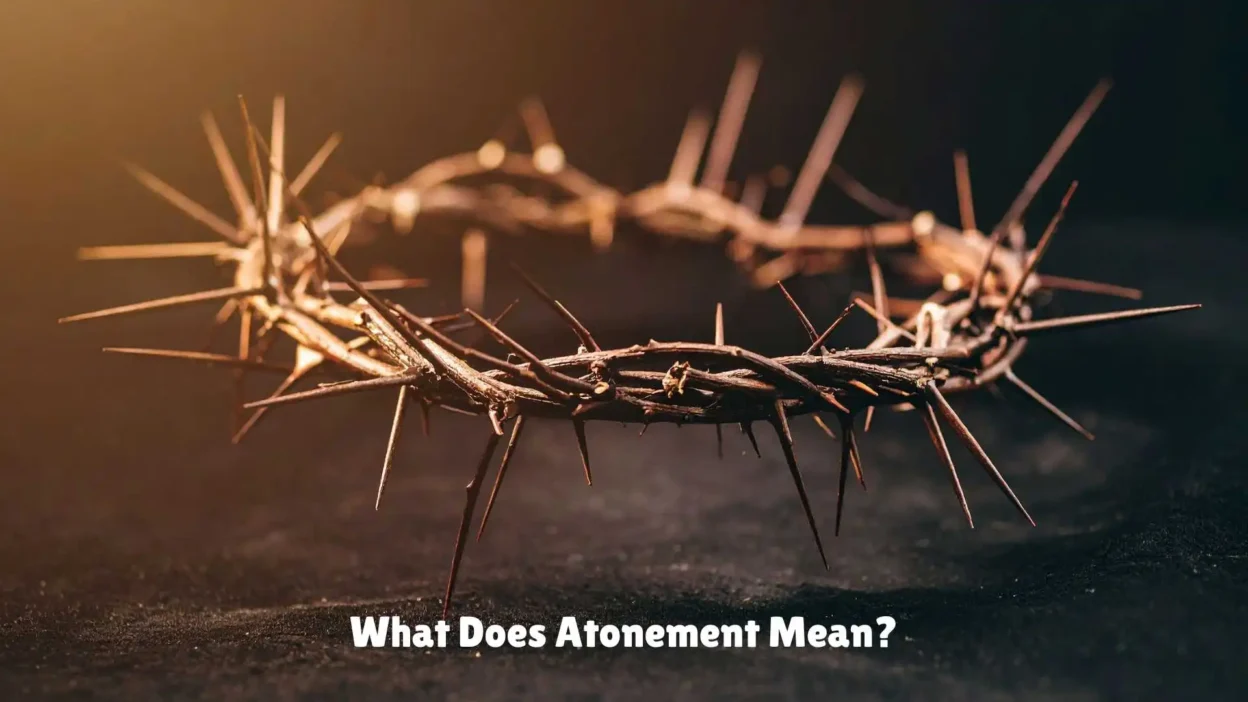
Quick Answer: Atonement means “making things right for a mistake or wrongdoing.” It’s a serious, emotional, and sincere way of saying you’re trying to fix or make up for something you did wrong.
🧠 What Does “Atonement” Mean in Text?
In texting or social media, atonement refers to the act of making amends, apologizing, or doing something to correct a wrong. It’s not a casual slang word — it’s a real English word often used in emotional or serious contexts.
Example:
“I know I messed up, and I’m trying to find atonement for it.”
In short: Atonement = making amends = fixing a wrong with sincerity.
📱 Where Is “Atonement” Commonly Used?
You’ll usually see atonement in deeper, thoughtful, or emotional conversations. It’s not playful or flirty — it’s more reflective.
You may find it used on:
- 💬 Text messages (serious conversations)
- 📘 Facebook posts & long captions
- 🐦 X/Twitter threads about feelings or moral topics
- 📚 Book discussions or literary groups
- 🎥 TikTok commentary on emotional videos
- 🎮 Not common in gaming chats
- 🧑💼 Sometimes in formal or professional apologies
Tone: Serious, sincere, emotional, sometimes religious or philosophical.
💬 Examples of “Atonement” in Conversation
Here are some realistic chat-style examples:
1.
A: u good??
B: kinda… trying to get some atonement for how i treated her 😞
2.
A: did you apologize yet?
B: yeah, i’m working on real atonement now
3.
A: why so quiet today?
B: just thinking. need atonement for yesterday.
4.
A: she forgave you?
B: not yet… atonement takes time i guess
5.
A: you going to talk to him?
B: yeah, it’s time i try for some atonement
6.
A: u still feel bad?
B: yeah, i want to make things right. need atonement.
7.
A: heavy day huh
B: mhm. working on atonement and my own peace.
🕓 When to Use and When Not to Use “Atonement”
✅ When to Use
- When you’re apologizing seriously
- When you’re trying to make things right
- In emotional or reflective conversations
- When discussing personal growth
- In deeper DMs or long messages
❌ When Not to Use
- In casual chats
- In jokes or memes (it’s too serious)
- During flirting
- In professional emails unless discussing serious matters
- When a simple “sorry” is enough
Comparison Table
| Context | Example Phrase | Why It Works |
|---|---|---|
| Friend Chat | “I know I hurt you, I’m seeking atonement.” | Honest & emotional |
| Work Chat | “I’d like to make amends for the mistake.” | Professional but sincere |
| “Please allow me to correct the error I made.” | Clear, formal, appropriate |
🔄 Similar Slang Words or Alternatives
| Word/Slang | Meaning | When to Use |
|---|---|---|
| Sorry | A simple apology | Casual or light mistakes |
| My bad | Admitting a small mistake | Informal chats/friends |
| Amends | Doing something to fix the issue | Emotional or serious conversations |
| Redemption | Earning back trust or respect | Deep or reflective messages |
| Accountability | Taking responsibility | Serious discussions |
| Forgiveness | Seeking to be forgiven | Emotional or healing conversations |
❓ FAQs About “Atonement”
1. Is “atonement” slang?
No — it’s a real English word, but people also use it in texting.
2. Is “atonement” the same as apologizing?
Not exactly. Apology = saying sorry. Atonement = fixing the damage.
3. Is it used casually?
No. It’s a serious, emotional term.
4. Does “atonement” have religious meaning too?
Yes. In some contexts, it refers to spiritual cleansing or making peace for sins.
5. Can I use it jokingly?
You can, but it often sounds dramatic or sarcastic.
📝 Conclusion
Atonement isn’t your everyday slang — it’s a powerful word that expresses real effort to make things right. Whether it’s healing a relationship, making up for a mistake, or showing genuine regret, atonement carries emotional depth. Use it when you want to sound sincere, thoughtful, and honest.